RichAuto B57 ATC Controller: What to Check Before Ordering
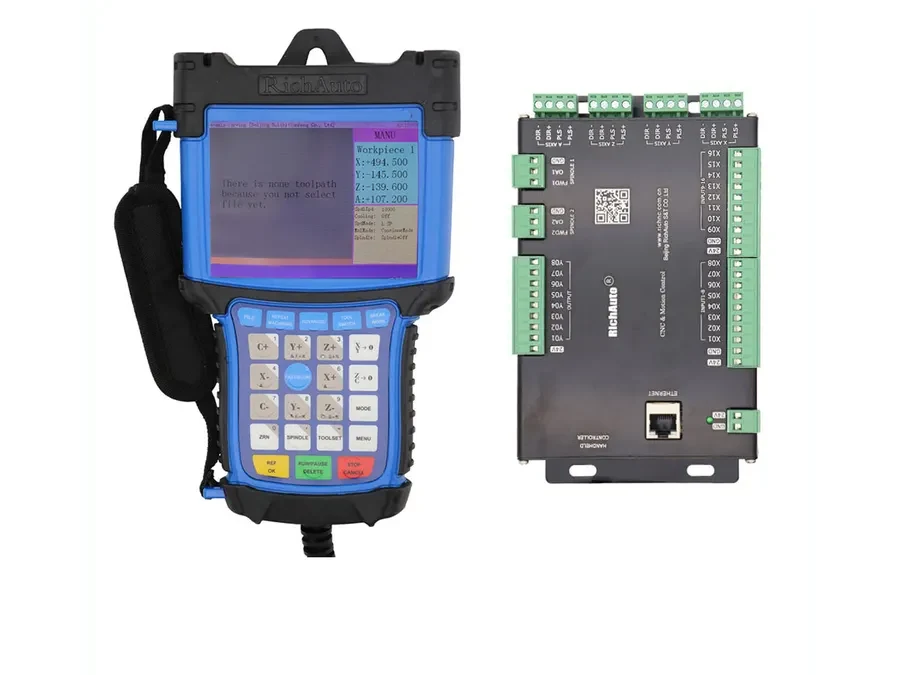
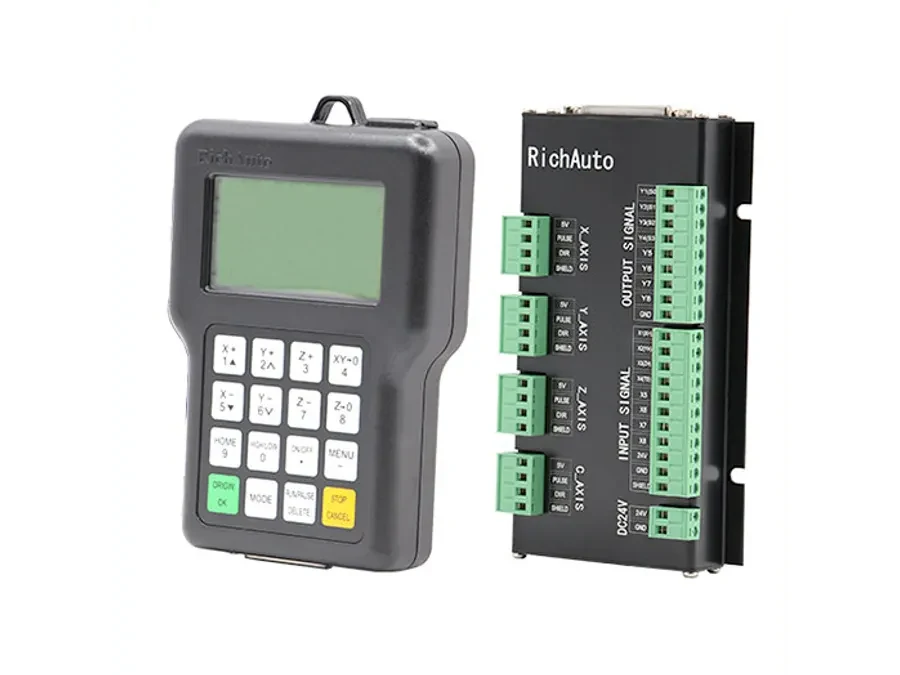
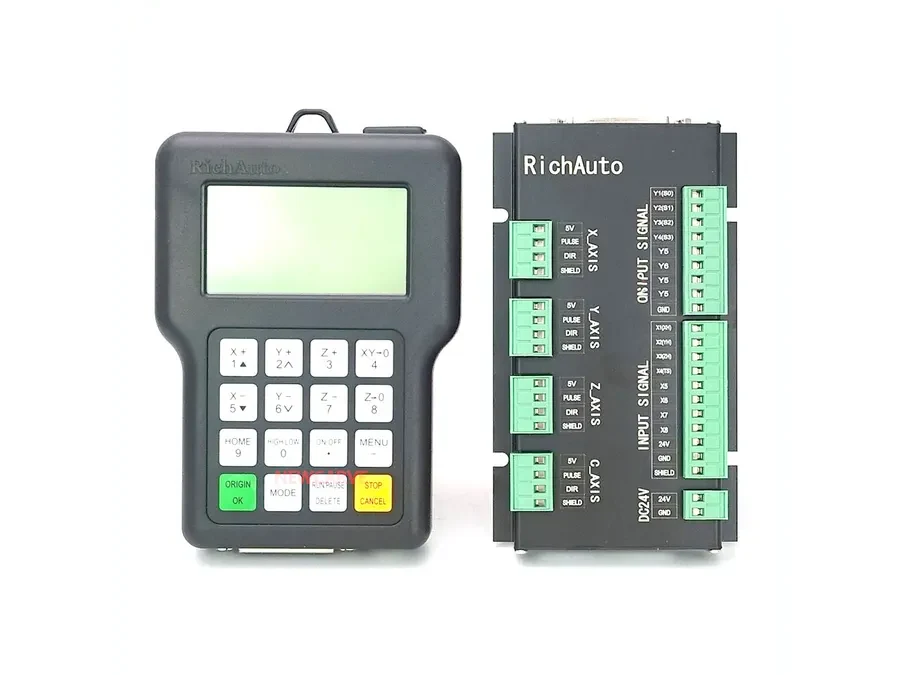
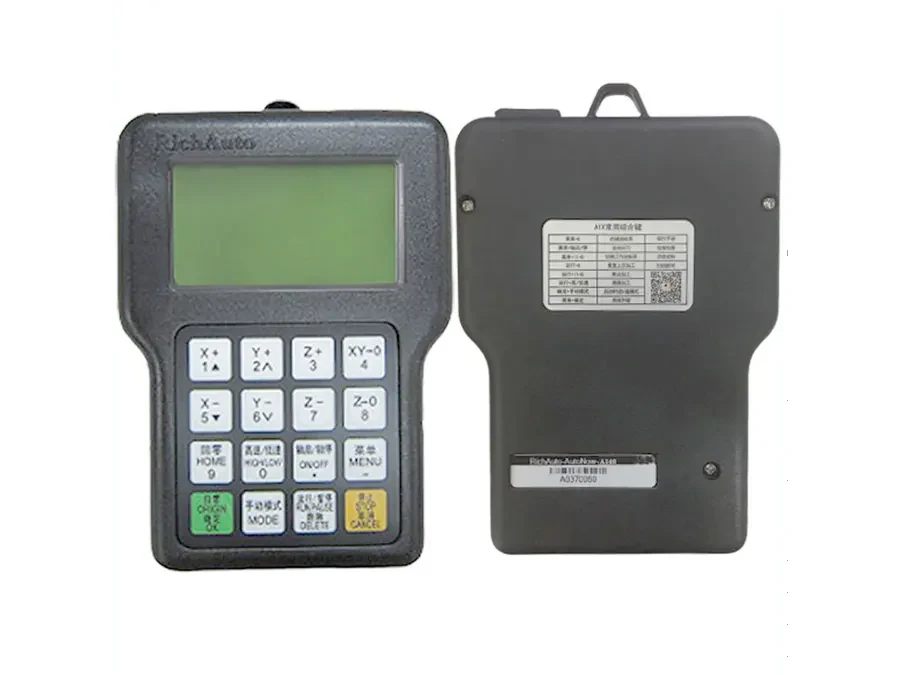
The RichAuto B57 is the ATC member of the B5X family and is intended for CNC applications that require automatic tool-changing control. Current product information covers tool changing, tool rack or magazine functions, lift/fall control and dust-hood control. However, selecting a RichAuto B57 ATC controller requires more than confirming that your machine has an automatic tool changer. The tool-change sequence, magazine arrangement, spindle configuration, wiring and machine interfaces should all be checked before ordering.
What the B57 Is Designed to Control
An ATC system coordinates several machine actions that must occur in the correct sequence. The controller therefore has to work with more than normal axis movement.
-
The RichAuto B57 product data describes functions associated with:
-
automatic tool changing
-
tool rack or tool magazine operation
-
lift/fall control
-
dust-hood control
These functions make the B57 relevant to CNC machines where tool changing is integrated into the machining cycle.
However, the presence of an ATC spindle does not by itself confirm compatibility. Two CNC machines may both use automatic tool changers while using different rack arrangements, actuator sequences, spindle signals or interface wiring.
1. Confirm the Existing Machine Configuration
Start with the machine itself.
Before selecting an ATC CNC controller, document the machine type and how its ATC system currently works. A short video of a complete tool-change cycle can be especially useful when replacing or retrofitting an existing control system.
Record what physically happens from the moment a tool change is requested until machining resumes.
For example, identify whether the machine moves to a fixed tool rack, interacts with a separate magazine mechanism, or uses additional machine actions during the sequence. Do not assume that another machine using a B57 has the same arrangement.
2. Document the Tool Rack or Magazine Layout
The physical tool-storage system is one of the most important items to verify.
Provide clear information about the rack or magazine, including its location on the machine and how the spindle reaches or interacts with it. If an existing controller is already operating the machine, photograph the relevant mechanisms and wiring before disconnecting anything.
The exact tool arrangement should be confirmed from the actual machine documentation or installation. Do not select a CNC tool changer controller by assuming a particular tool capacity from the controller family name.
3. Verify the Complete Tool-Change Sequence
The supplier needs to understand the sequence of machine actions, not just the final result.
Document important steps such as:
-
how the machine enters the tool-change position;
-
what actions occur before the existing tool is released;
-
how the tool rack or magazine participates;
-
how the next tool is collected;
-
what lift/fall actions occur;
-
how the spindle returns to machining;
-
whether the dust hood moves during the sequence.
You do not need to redesign the control logic yourself. The purpose of this information is to make the machine sequence clear enough for compatibility checking.
4. Confirm the Spindle Details
The spindle is a critical part of any ATC installation.
When asking whether the RichAuto B57 is suitable, provide the exact spindle model and available documentation. If the machine is already operating, include photos of the spindle label, existing wiring and relevant control connections.
Do not assume that two ATC spindles use identical control arrangements because they look similar or perform the same general function.
The required signals and machine interfaces must be checked against the actual spindle and ATC hardware.
5. Check Wiring and Machine Interfaces
A controller replacement should never be approved from the front-panel appearance or product name alone.
Before removing the existing controller, collect:
-
controller model and label photos;
-
interface or wiring-board photos;
-
connector and terminal photos;
-
existing wiring diagrams, if available;
-
spindle model information;
-
photos of the tool rack or magazine;
-
photos of lift/fall mechanisms;
-
dust-hood control details;
-
a video of the current tool-change cycle.
Keep the original wiring evidence until the new configuration has been verified.
This is especially important for retrofit projects. The B57 should not be treated as a universal drop-in replacement for another RichAuto controller or another ATC control system.
B57 Ordering Checklist
Before placing an order, confirm these points:
Is the machine equipped with automatic tool changing?
What type of tool rack or magazine does it use?
What is the complete tool-change sequence?
What spindle model is installed?
How is the existing controller wired?
What interface or wiring hardware is currently used?
Does the machine use lift/fall control as part of the process?
Is the dust hood controlled during machining or tool changing?
Are photos, wiring documents and a tool-change video available?
If several of these answers are unknown, collect the information from the machine before ordering the controller.
Choosing the B57 with Less Compatibility Risk
The RichAuto B57 is designed around ATC-related functions within the B5X family, but successful installation depends on the complete machine configuration. A model name alone cannot establish whether the existing wiring, spindle, magazine and auxiliary mechanisms will work with a particular controller installation.
For a compatibility check before ordering, send your machine model, current controller photos, spindle information, wiring or interface photos, tool rack or magazine details, and a video of the tool-changing sequence to info@cinkr.com .