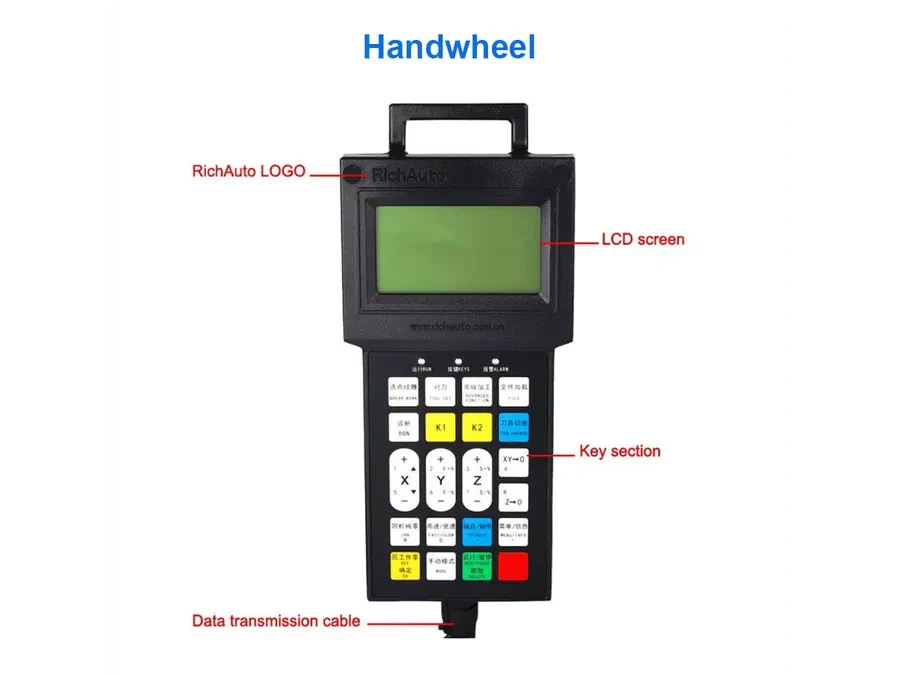
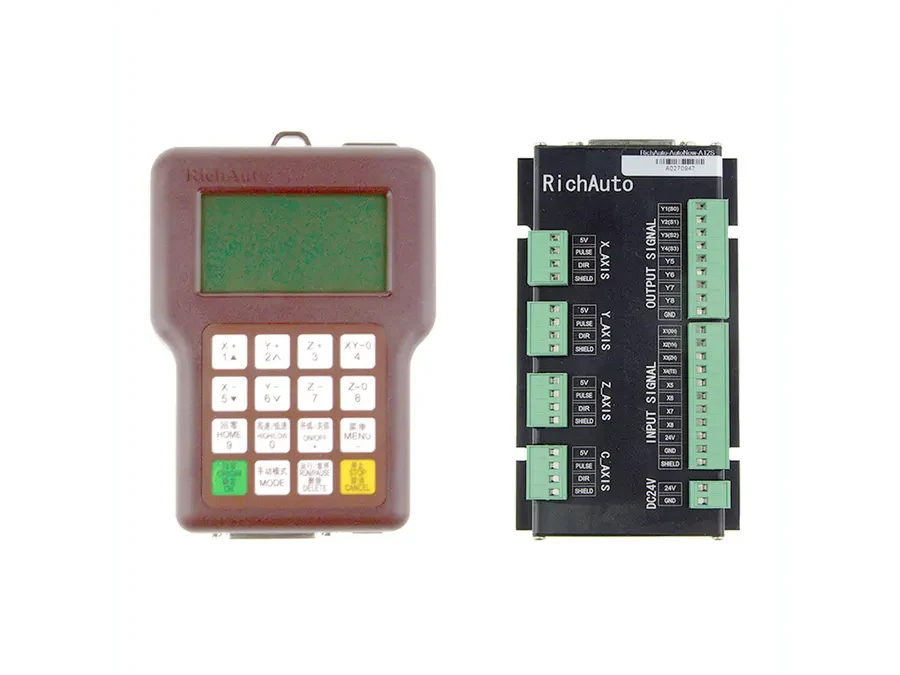
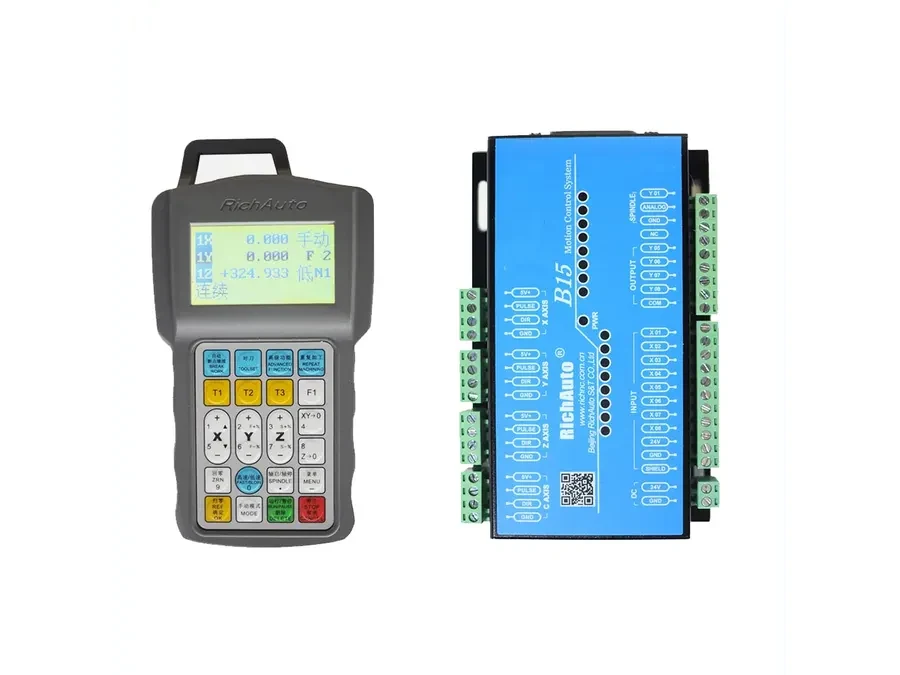
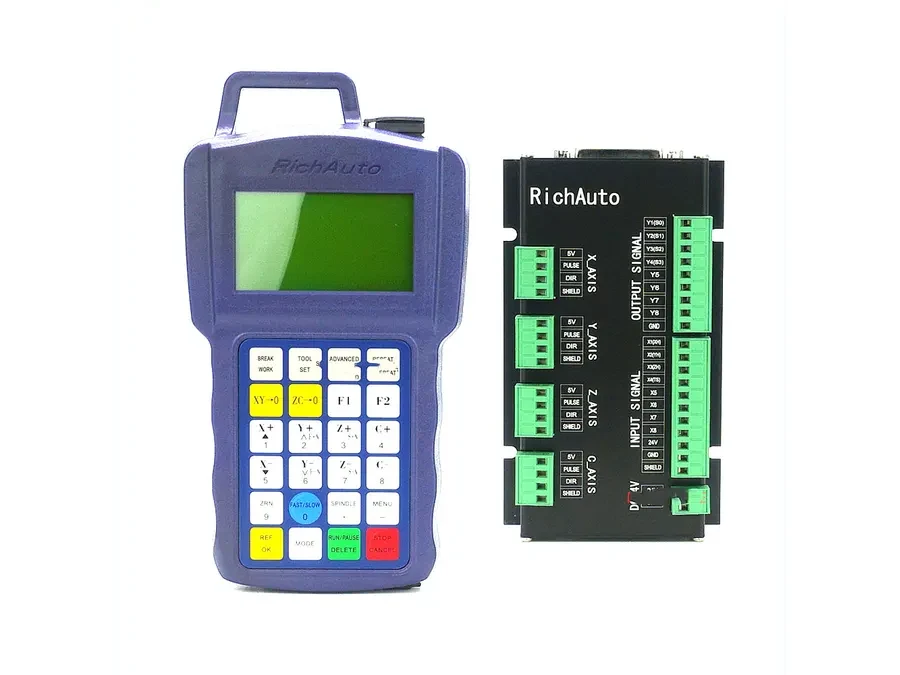
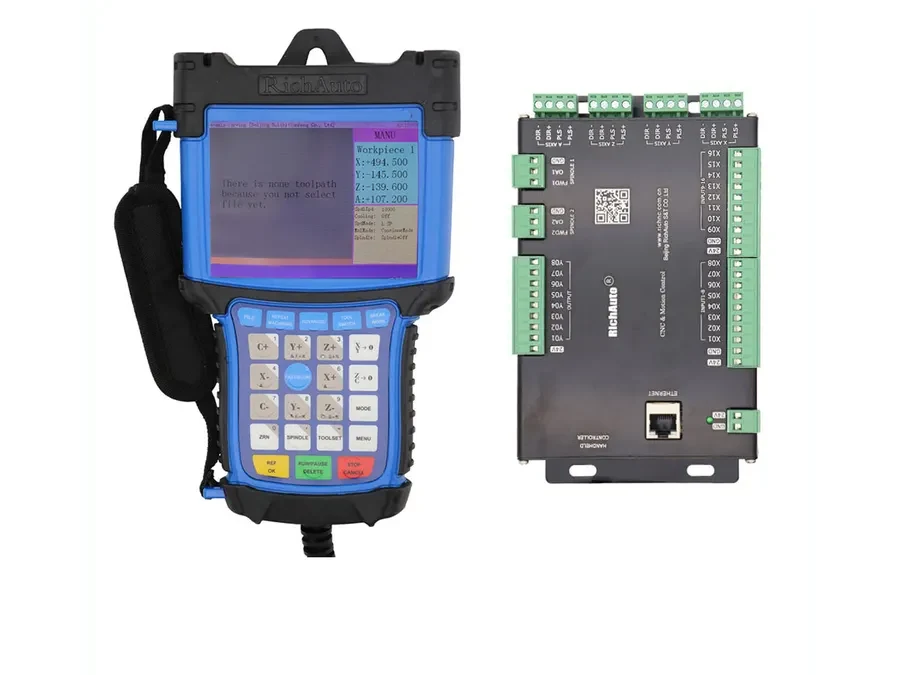
A15, B15 and F135 for Multi-Spindle CNC Machines
RichAuto A15, B15 and F135 all target CNC machines that use multiple spindles or multiple working heads, but choosing between them requires more than identifying the machine as “multi-spindle.” Their current product data includes functions involving cylinders, T-command or spindle switching, and machine-specific wiring. Before selecting a multi-spindle CNC controller, buyers should document exactly how the existing machine selects each spindle or head, how pneumatic functions are controlled, and how the controller connects to the machine.
Why Multi-Spindle CNC Machines Need Extra Compatibility Checks
A conventional CNC router may operate one spindle throughout a machining program. A multi-spindle or multi-head machine adds another control layer: the machine has to determine which spindle or head should operate and coordinate the related machine functions.
This can involve spindle switching, cylinder-controlled mechanical movement, T-command behavior, or other machine-specific signals. The exact arrangement varies considerably between machine builders.
For this reason, “three heads,” “multi-head router,” or a similar machine description does not provide enough information to approve a replacement controller. The controller must match the actual control logic and wiring used by that machine.
The same principle applies when comparing RichAuto A15 B15 F135 options. These models belong in the conversation for multi-spindle or multi-head applications, while the final selection should follow a machine-level compatibility review.
What A15, B15 and F135 Have in Common
The RichAuto A15 , RichAuto B15 and RichAuto F135 are associated with applications where a CNC machine needs to manage multiple spindles or working heads.
Their relevant product information discusses functions such as:
-
cylinder-related control;
-
T-command or spindle-selection behavior;
-
switching between spindles or heads;
-
wiring arrangements that depend on the machine configuration.
These points are more important than choosing a controller from its model name alone.
A buyer replacing an existing controller should therefore identify how the old system performs these functions. A machine builder designing a new system should define the required switching sequence and interface signals before selecting the controller.
A15 vs B15 vs F135: What Should You Compare?
There is no useful universal rule such as “choose A15 for one machine type and B15 for another” without checking the actual machine configuration. Start with the functions that the controller has to reproduce.
- How are the spindles or heads selected?
Document what happens when the machine changes from one spindle or head to another.
Check whether the CNC program uses a T-command or another switching method. If an existing controller is being replaced, save a working program that demonstrates the changeover sequence.
The exact command behavior should then be compared with the candidate controller.
- Are pneumatic cylinders involved?
Many multi-head machines use cylinders as part of their mechanical switching arrangement.
Record what each cylinder does. For example, identify which machine component moves when the relevant output is activated and whether that action is part of the spindle or head selection sequence.
Do not assume that two machines with a similar physical layout use identical cylinder logic.
- What interface board and wiring does the machine use?
Machine-specific wiring is one of the most important checks when evaluating a multi-head CNC controller.
Provide clear photographs of the existing controller, interface board, connectors and terminal wiring. Connector appearance alone is insufficient evidence of electrical compatibility, so include labels and wiring documentation where available.
For a retrofit, avoid disconnecting the old controller until the existing wiring has been recorded clearly.
Compatibility Checklist Before Ordering
For an A15, B15 or F135 inquiry, prepare the following information:
Exact current controller model and label photos.
CNC machine type and application.
Description of the multi-spindle or multi-head arrangement.
Explanation of how each spindle or head is selected.
Sample T-command or switching sequence, if used.
Description of cylinder functions and their operating sequence.
Photos of the interface board and wiring terminals.
Existing wiring diagram, when available.
Photos or video showing a normal head or spindle change.
Reason for the replacement or retrofit.
This evidence gives the supplier a much stronger basis for checking compatibility than a model name or machine photograph alone.
A Practical Selection Process
For a new machine, define the required sequence first: which head operates, how it is selected, which cylinder actions occur, and which signals must change during the process. Then compare those requirements with the A15, B15 and F135 product information.
For an existing machine, work in the opposite direction. Record the current controller, wiring and switching behavior before considering a replacement.
This approach reduces the risk of receiving a controller that appears suitable for a multi-spindle machine but does not match its actual switching logic.
Before You Order
A15, B15 and F135 are relevant options for multi-spindle and multi-head CNC applications, yet the machine configuration determines which controller can be used. Confirm the spindle or head switching method, cylinder functions, commands, interface hardware and wiring before placing an order.
For compatibility checking, send your existing controller model, machine details, wiring photos and switching requirements to info@cinkr.com .